Snapdragon vs Apple Silicon Performance
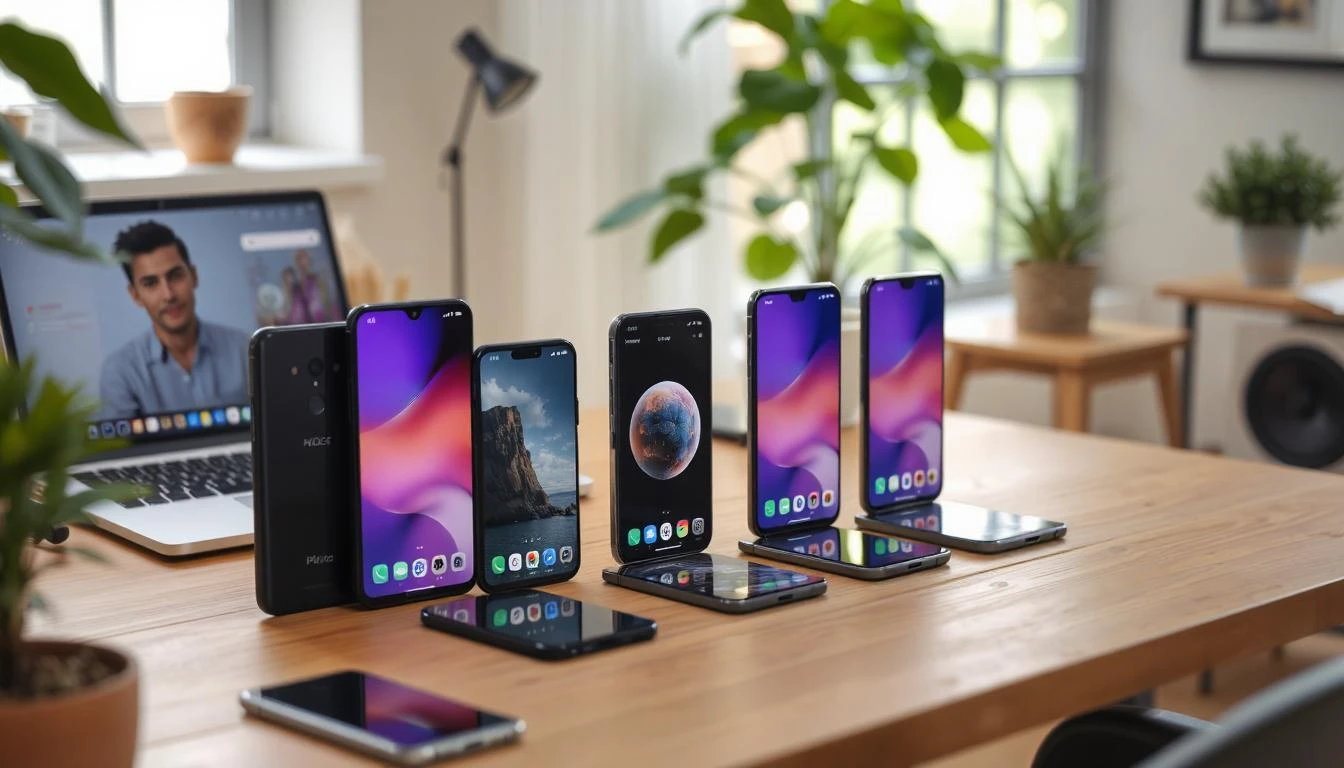
The battle inside modern smartphones is no longer visible to the eye, yet it quietly decides everything you experience on screen. Every tap, swipe, and AI suggestion is powered by an invisible war of efficiency, heat control, and raw computational intelligence. Snapdragon and Apple Silicon sit at the center of this struggle, shaping how fast, smooth, and intelligent a device truly feels in real life. What makes this discussion even more interesting is how differently each ecosystem defines speed. Apple Silicon is built around tightly controlled hardware-software unity, while Snapdragon thrives in an open, diverse Android environment.
This difference becomes the foundation of every chipset performance comparison, influencing everything from gaming stability to battery endurance. A proper chipset performance comparison is no longer just about benchmark scores it’s about understanding how silicon behaves under pressure, how it reacts to multitasking, and how efficiently it translates power into real user experience. As Qualcomm engineer Alex Katouzian once noted, “Performance today is not about peaks, but about sustained intelligence under load.”
Core Architecture Performance Breakdown
The real essence of performance starts deep inside the architecture, where billions of transistors decide how instructions are processed. Apple Silicon focuses on unified memory design and extreme efficiency tuning, while Snapdragon pushes modular performance scaling across heterogeneous cores. This is where the entire chipset performance comparison becomes meaningful for everyday users. The supporting keyword mobile performance benchmarking analysis becomes important here because synthetic tests alone cannot fully describe how architecture behaves in real usage conditions like gaming, streaming, or multitasking.
CPU processing efficiency comparison
Apple Silicon dominates single-core efficiency thanks to its highly optimized instruction pipeline and tight OS integration. Snapdragon, on the other hand, has significantly improved multi-core performance with its newer high-performance cores designed for sustained workloads. In practice, Apple feels instantaneous in short bursts, while Snapdragon maintains more balanced output during prolonged usage.
GPU rendering and gaming performance
Graphics performance reveals a clear philosophical divide. Apple’s GPU excels in optimized game titles with consistent frame pacing and minimal variance. Snapdragon’s Adreno GPU, however, shines in broader compatibility and Android gaming diversity, even if performance varies slightly across different devices. Developers often describe Apple’s ecosystem as predictable precision and Snapdragon’s as adaptive freedom.
AI and machine learning capabilities
AI acceleration is now a core battlefield. Apple Neural Engine focuses heavily on privacy-first on-device processing, while Snapdragon’s AI Engine blends on-device and cloud-assisted computation for flexibility. This difference defines how apps behave in real time, especially in photography, voice recognition, and generative AI tasks.
Real World Benchmark Testing
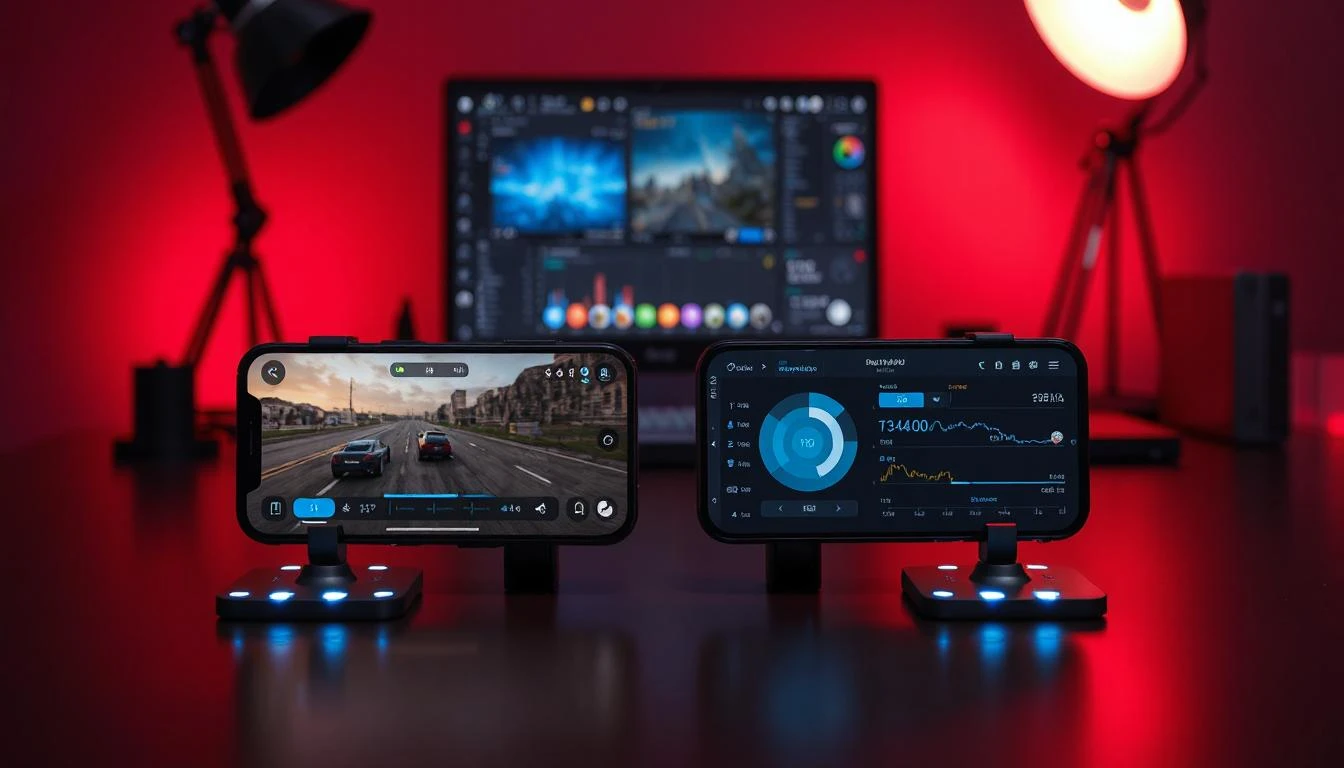
Benchmarks may look impressive on paper, but real-world usage exposes the truth behind sustained performance. Heat, background apps, and user behavior all influence how these chips actually perform outside controlled testing environments. This is where mobile performance benchmarking analysis becomes more meaningful, because it connects synthetic results with real user experience across different workloads.
App loading speed comparison
Apple Silicon benefits from aggressive caching and tightly optimized storage pathways, making app launches feel instant. Snapdragon devices vary depending on manufacturer optimization, but often catch up during extended usage sessions where memory management stabilizes performance.
Multitasking and thermal performance
Snapdragon generally handles multitasking better in high-RAM Android devices due to flexible memory handling. Apple compensates with extremely efficient memory compression and OS-level optimization. However, under heavy gaming loads, Snapdragon devices may heat up more noticeably, while Apple tends to throttle earlier but more consistently.
Battery optimization under load
Apple Silicon often leads in mixed-use battery efficiency thanks to its efficiency cores and system-level optimization. Snapdragon counters with AI-driven power management that adapts to user behavior over time. As noted by semiconductor analyst Ming-Chi Kuo, “Efficiency is no longer just hardware it is the result of ecosystem intelligence working in sync.”
Ecosystem and Optimization Differences
Performance does not exist in isolation. The ecosystem surrounding the chipset determines how effectively its power is utilized in real life. Hardware without optimization is just potential waiting to be wasted.
Android vs iOS hardware synergy
Apple Silicon benefits from vertical integration, where hardware and software are designed together. Snapdragon operates in the fragmented Android ecosystem, which creates variability but also allows wider customization and device diversity.
Software optimization impact
iOS applications are typically more consistent in performance due to strict hardware limitations. Android applications must scale across thousands of devices, which introduces variability even among high-end Snapdragon-powered smartphones.
Developer optimization approach
Developers often prioritize Apple devices first because optimization is simpler and more predictable. Snapdragon optimization depends heavily on OEM tuning, which can lead to performance differences even between devices using the same chipset.
Choose the Best Chipset for Your Performance Needs
The reality of modern computing is simple but often ignored, there is no absolute winner. Apple Silicon delivers refined consistency, predictable speed, and deep ecosystem optimization. Snapdragon offers flexibility, broader compatibility, and adaptive performance across diverse devices. This chipset performance comparison shows that performance is no longer just raw power it is context-dependent experience shaped by ecosystem design. As technology continues to evolve, the gap between both platforms is not disappearing but transforming into specialization. One focuses on controlled perfection, the other on scalable adaptability.