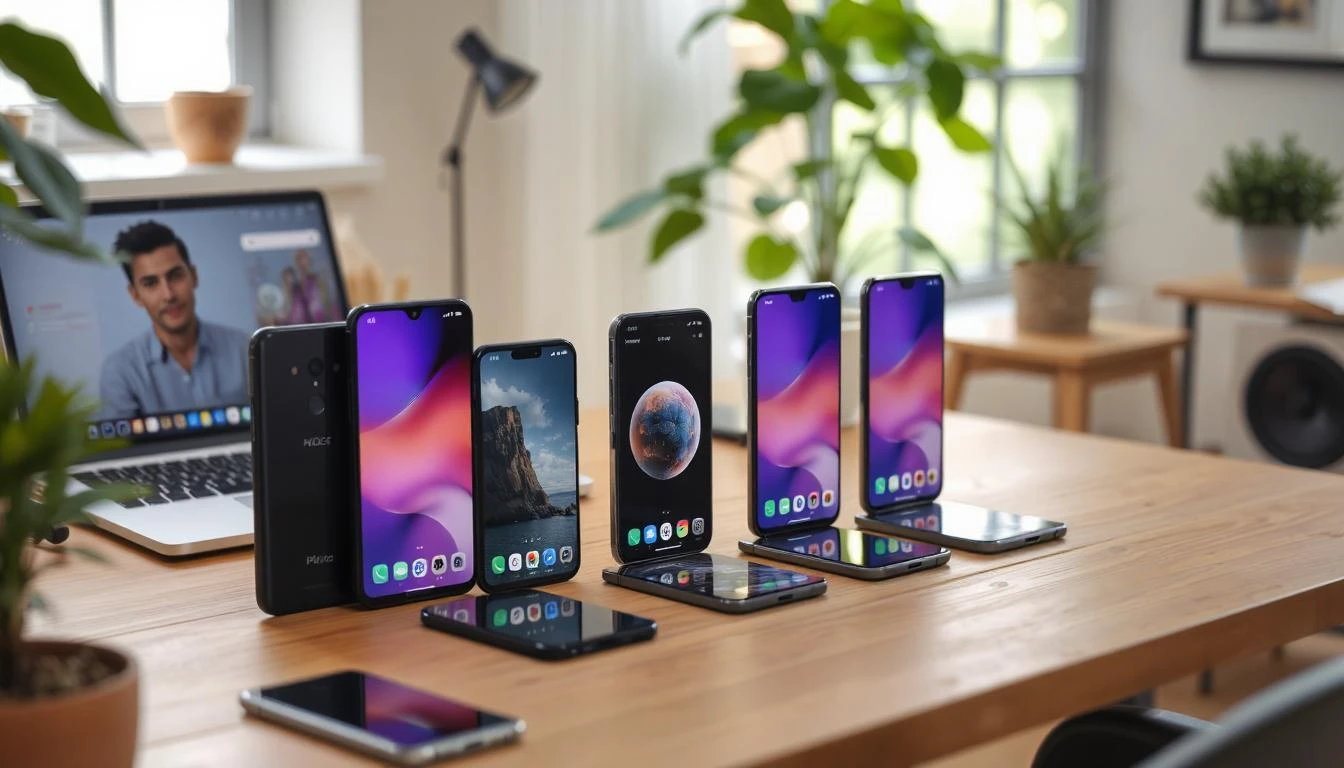
Next Gen Foldable Smartphones
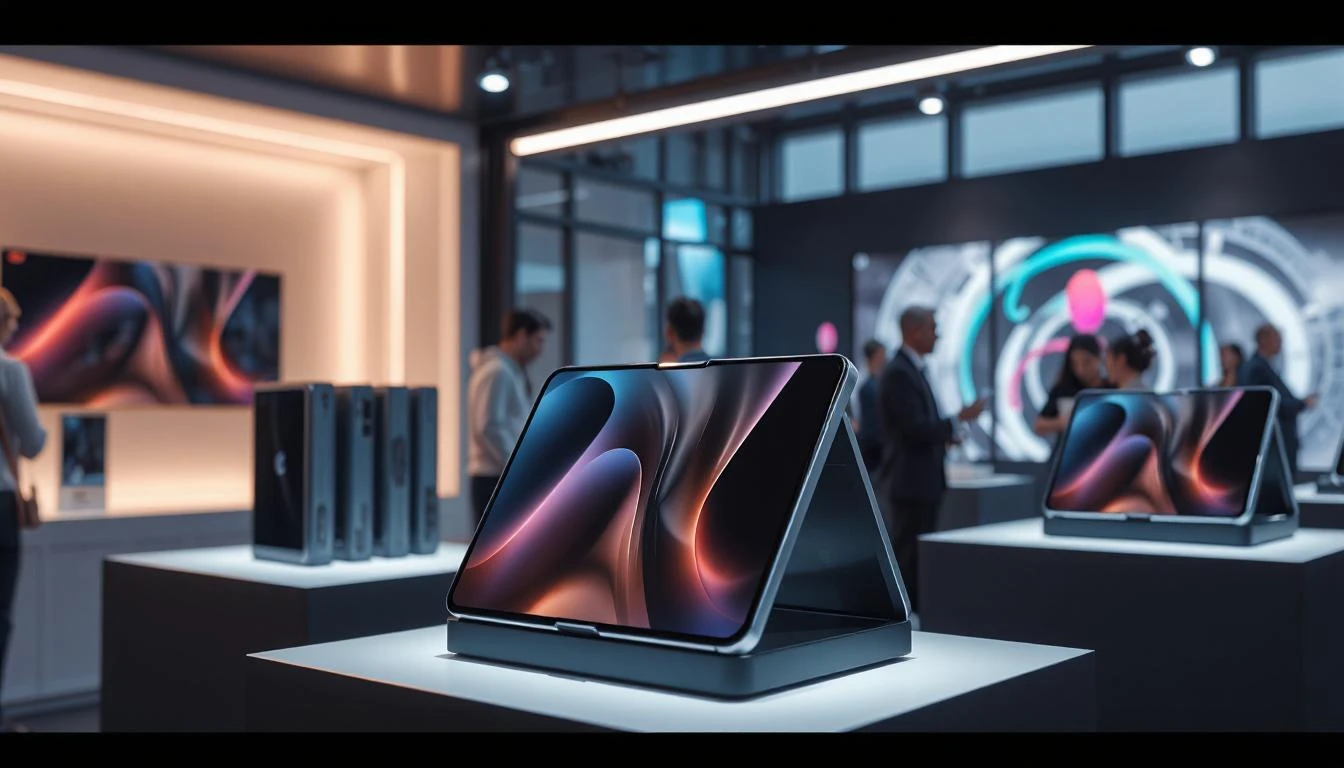
Foldable smartphones are no longer a futuristic fantasy or a flashy experiment that fades after a few tech expos. They’ve evolved into a serious category that challenges how people think about screens, mobility, and digital interaction. What used to be a niche innovation is now becoming a quiet revolution in everyday technology, shifting expectations without asking for permission.
The conversation around foldable smartphones evolution trends is no longer about whether these devices will survive, but how deeply they will reshape user behavior, software design, and hardware engineering in the coming years. Another layer of transformation is tied to the foldable smartphones future outlook, where industry experts predict that flexible devices will become a standard form factor rather than an expensive novelty. As Mark Ellis, a mobile industry analyst, puts it, “Foldables are not replacing smartphones, they are redefining what a smartphone is allowed to become.”
Future Foldable Design Trends
The design direction of foldable smartphones is moving far beyond simple hinge mechanics. Manufacturers are now experimenting with dynamic form factors that respond to human behavior instead of forcing users to adapt. This shift is quietly shaping the next wave of mobile innovation. The keyword flexible OLED display technology is becoming central in discussions about next-gen screens, as engineers push boundaries to reduce creasing and improve visual continuity across folding surfaces.
Rollable and flexible display concepts
Rollable smartphones are emerging as the next disruptive step, where screens extend like digital scrolls instead of folding into fixed halves. This concept supports long-tail ideas such as future rollable smartphones replacing foldable devices in productivity use cases, reflecting growing curiosity about more fluid interfaces.
Ultra thin body engineering
The race toward ultra-thin devices is becoming intense, almost obsessive. Engineers are trying to balance durability with minimal thickness, creating devices that feel almost weightless yet structurally resilient.
Lightweight material innovation
Advanced composites and nano-engineered materials are now shaping device frames. The focus keyword foldable smartphones evolution trends continues to influence how manufacturers prioritize flexibility without sacrificing structural integrity.
AI Integration in Foldable Devices
AI is no longer just a feature layer, it has become the invisible architect behind foldable smartphone behavior. Devices now interpret folding states, usage habits, and contextual needs to adapt in real time. The adaptive UI smartphone design concept is gaining traction as interfaces shift dynamically depending on how the device is held or folded.
Adaptive UI based on folding state
Screens now reorganize themselves depending on physical configuration. Half-folded mode becomes a control panel, while full expansion activates immersive viewing or multitasking layouts, making every interaction feel instantly more adaptive and fluid.
Smart multitasking optimization
AI systems now predict app combinations users are likely to open together, reducing friction and improving workflow efficiency in subtle but powerful ways, making multitasking feel almost instinctive, especially during fast-paced daily tasks.
AI powered productivity tools
From summarizing documents to organizing workflows, AI turns foldable devices into compact productivity hubs. As tech researcher Daniel Hwang notes, “Foldables are becoming the closest thing to a pocket workstation that adapts to cognitive behavior.”
Market Evolution and User Adoption
The market for foldable smartphones is still balancing between excitement and hesitation. Adoption is growing, but trust remains the key barrier slowing mass acceptance. The supporting keyword foldable smartphones future outlook appears strongly in market analysis reports predicting gradual but steady mainstream penetration.
Pricing trend predictions
Prices are slowly becoming more accessible, but foldables still sit in a premium bracket. Early adopters continue to shape demand trends while newer mid-tier models begin to expand the audience. This gradual shift is making foldable devices feel less exclusive and more attainable for everyday users.
Consumer adoption challenges
Durability concerns, especially around hinge lifespan and screen creasing, still influence purchasing decisions. Search interest in foldable screen durability issues reflects ongoing skepticism among potential buyers.
Brand competition strategies
Brands are competing aggressively through design differentiation, ecosystem integration, and software optimization rather than raw hardware specs alone. This strategy is becoming the key factor that separates premium foldable devices from ordinary smartphones.
Explore the Future of Foldable Smartphone Technology
The trajectory of mobile innovation is clearly shifting toward adaptive form factors that blur the line between phones, tablets, and portable workstations. The foldable smartphones evolution trends suggest that future devices will prioritize flexibility not just in design, but in function and intelligence. As noted by Sarah Kim, a senior mobile technology consultant, “The real breakthrough in foldables is not the screen it’s the software learning how to think in multiple physical states.” This perspective highlights how deeply software and hardware are now intertwined. Search behavior around terms like best foldable smartphones for productivity 2026 and future flexible display innovations in mobile devices shows that user curiosity is already aligned with where the industry is heading. The foldable smartphones future outlook points toward a world where adaptability becomes the default expectation, not an optional feature.